

Introduction
In today’s fast-evolving global busines environment, organizations that aim to operate beyond borders must rely on structured strategies, compliance-driven opertions, and reliable International partners.INTERNaTIONALLY Definition and Meaning represents a comprehensive discussion around how international busines entities can grow, manage Risk, And establish credibility while operating across multiple Markets. This article is designed to provide Deep, practical, and SEO-optimized insightS that help readers understand international bUsiness frameworks, operational excellence, and long-term sustainabIlity.
The modern international market is no longer limited to large multinational corporations. Smal and medium-sized enterpries are also entering global trade, outsorcing services, managing cross-border finances, and building digital-first international brands. Success in this environment requires clarity, planning, and a strong undrstanding of global operational standards. INTERNATIONALLY Definition and Meaning explors these concepts in a structured, professionl, and easy-to-understand maner.
Throughout this article, you will find in-depth explanations, actionable strategies, and clear examples that align with international best practices. The content is written in a human, professional tone while remaining fully SEO-friendly. Whether you are a business owner, consultant, investor, or researcher, this guide offers value by explaining how international operations can be structured for stability and growth.
Strategic Foundations of Global Business Operations
Building a strong foundation is essential for any organization planning to operate internationally. Strategic planning is not limited to expansion alone; it includes market research, regulatory awareness, financial structuring, and operational readiness. Companies that fail to plan thoroughly often face compliance issues, financial losses, and reputational risks.
A strong international strategy focuses on long-term sustainability rather than short-term gains. Organizations such as atinternationalltd emphasize structured planning, which allows businesses to adapt to different economic and legal environments. Understanding cultural differences, consumer behavior, and local regulations forms the backbone of successful global expansion.
Key elements of a solid strategic foundation include:
- Comprehensive market analysis before entering a new region
- Clear definition of business objectives and growth timelines
- Risk assessment related to currency, compliance, and logistics
- Establishment of local partnerships and advisory networks
Another critical aspect of international strategy is regulatory compliance. Each country has its own legal framework governing taxation, labor laws, and corporate reporting. Businesses that align their internal policies with these requirements gain credibility and avoid legal complications. This is where professional guidance, similar to the frameworks followed by atinternationalltd, becomes extremely valuable.
Financial structuring also plays a vital role. Cross-border operations require transparent accounting systems, proper tax planning, and secure transaction mechanisms. Businesses must ensure that their financial practices align with international standards while remaining adaptable to local requirements.
Additionally, technology integration strengthens strategic foundations. Digital tools for communication, project management, and financial tracking allow international teams to work efficiently. Companies inspired by models like atinternationalltd often leverage technology to maintain consistency across borders.
Finally, leadership alignment is essential. Decision-makers must understand global objectives and communicate them clearly across teams. When leadership vision aligns with operational execution, international growth becomes manageable and scalable. Strategic clarity, supported by structured systems and professional guidance, sets the stage for long-term global success.
Operational Excellence in International Markets
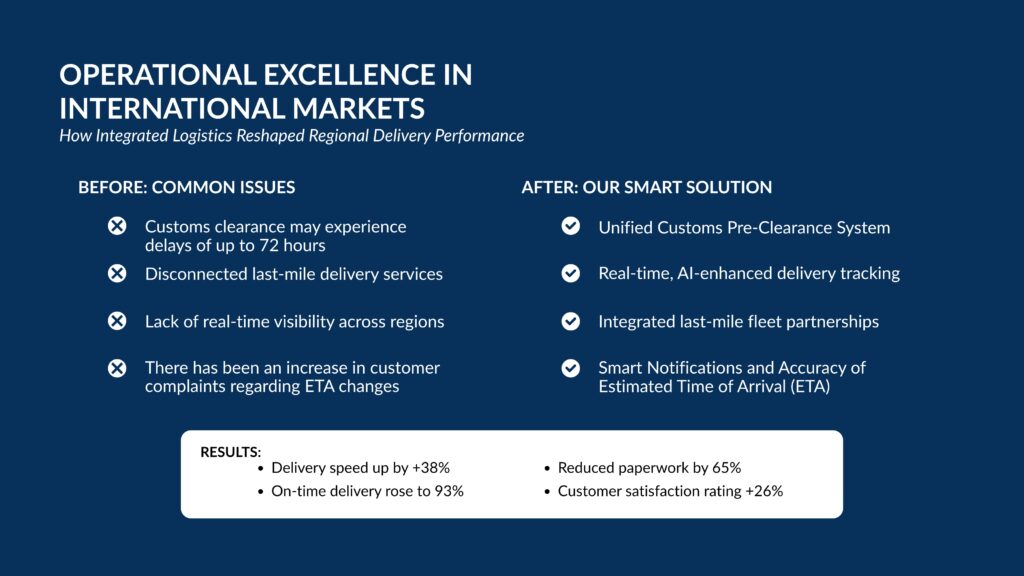
Operational excellence is the practical execution of strategy. Once a business enters international markets, daily operations determine whether the expansion succeeds or fails. Efficient processes, skilled teams, and consistent quality standards are essential to maintaining competitiveness across regions.
Organizations that model themselves after atinternationalltd often prioritize standardized operating procedures. These procedures ensure that services or products maintain the same level of quality regardless of location. Consistency builds trust among clients, partners, and regulatory authorities.
Key components of operational excellence include:
- Clear workflows and documented processes
- Training programs tailored to international teams
- Performance measurement and quality assurance systems
- Strong communication channels across regions
Human resource management is a major operational factor. International teams often consist of diverse cultures, languages, and professional backgrounds. Effective leadership focuses on inclusivity, transparency, and continuous learning. Businesses aligned with atinternationalltd principles invest in people development to ensure operational stability.
Supply chain management also plays a critical role. Cross-border logistics require careful coordination, reliable vendors, and contingency planning. Delays, regulatory changes, or geopolitical factors can disrupt operations. Businesses that anticipate these challenges and plan accordingly remain resilient.
Another operational priority is compliance monitoring. Regulations change frequently, especially in international trade. Regular audits, legal reviews, and compliance updates help organizations remain aligned with local and international laws. Companies following structures similar to atinternationalltd integrate compliance into their operational culture rather than treating it as an afterthought.
Technology once again supports operational excellence. Cloud-based systems, secure data management, and real-time reporting tools allow management to monitor performance across regions. Digital transformation reduces inefficiencies and enhances decision-making accuracy.
Operational excellence is not achieved overnight. It is a continuous process of evaluation, improvement, and adaptation. Businesses that commit to high standards, supported by professional frameworks and experienced guidance, position themselves for sustainable international success.
Financial Management and Risk Control Across Borders
Financial management becomes significantly more complex when operations span multiple countries. Currency fluctuations, taxation differences, and varying financial regulations introduce risks that require proactive management. A structured financial strategy ensures stability and protects long-term profitability.
Entities that follow models similar to atinternationalltd often adopt international accounting standards. This approach enhances transparency and simplifies reporting for stakeholders. Consistent financial reporting also supports better decision-making and investor confidence.
Effective international financial management focuses on:
- Currency risk assessment and hedging strategies
- Transparent accounting and reporting systems
- Tax optimization within legal frameworks
- Cash flow monitoring across regions
Risk control is a core element of financial management. Political instability, economic downturns, and regulatory changes can impact international operations. Businesses must identify potential risks early and develop contingency plans. Organizations inspired by atinternationalltd often implement internal controls that detect financial irregularities before they escalate.
Another important aspect is investment planning. International expansion requires capital allocation for infrastructure, staffing, marketing, and compliance. Strategic budgeting ensures that resources are allocated efficiently without overextending financial capacity.
Financial technology solutions further enhance control and efficiency. Automated invoicing, secure payment systems, and real-time financial dashboards allow organizations to manage complex transactions with accuracy. Companies aligned with atinternationalltd principles often leverage such tools to reduce errors and improve financial visibility.
Additionally, working with trusted financial and legal advisors strengthens risk management. Professional guidance helps businesses navigate unfamiliar financial environments and avoid costly mistakes. When financial discipline is embedded into organizational culture, international operations become more predictable and sustainable.
Strong financial management does not eliminate risk entirely, but it significantly reduces uncertainty. By combining structured planning, technology, and professional oversight, businesses can operate confidently across borders.
Long-Term Growth, Compliance, and Global Reputation
Long-term success in international markets depends on more than short-term profitability. Sustainable growth requires compliance, ethical practices, and a strong global reputation. Organizations that prioritize these elements build trust and resilience over time.
Companies that align with atinternationalltd values often focus on compliance as a strategic advantage. Adhering to international standards enhances credibility with regulators, partners, and clients. Compliance-driven organizations are better positioned to enter new markets and form strategic alliances.
Key drivers of long-term growth include:
- Commitment to ethical business practices
- Continuous compliance monitoring and improvement
- Brand consistency across international markets
- Strong stakeholder relationships
Reputation management is especially important in a global context. News and information travel quickly, and reputational damage in one market can affect operations worldwide. Businesses inspired by atinternationalltd often implement clear communication strategies and crisis management plans to protect their brand image.
Innovation also supports long-term growth. International markets present diverse challenges and opportunities. Organizations that invest in research, digital transformation, and service improvement remain competitive. Learning from global experiences strengthens overall business capability.
Sustainability is another critical factor. Environmental responsibility, social impact, and corporate governance are increasingly important to international stakeholders. Businesses that integrate sustainability into their operations gain long-term trust and alignment with global trends.
Finally, strategic partnerships enhance growth potential. Collaborating with local experts, international consultants, and reliable service providers creates a strong support network. Companies that follow structured international models, similar to atinternationalltd, leverage partnerships to scale efficiently and responsibly.
Long-term success is built through consistency, integrity, and strategic foresight. Organizations that maintain high standards across all markets establish a lasting global presence.
Conclusion
International business success is the result of careful planning, disciplined execution, and continuous improvement. This article has explored the essential components that support sustainable global operations, from strategic foundations and operational excellence to financial management and long-term growth. INTERNATIONALLY Definition and Meaning serves as a comprehensive framework for understanding how organizations can operate confidently across borders.
A strong international strategy begins with clear objectives and informed decision-making. Businesses must understand the markets they enter, respect local regulations, and adapt to cultural differences. Strategic clarity reduces uncertainty and creates a roadmap for growth. When this strategy is supported by structured operational systems, organizations gain the ability to deliver consistent quality and performance worldwide.
Financial discipline and risk control further strengthen international operations. Transparent reporting, proactive risk management, and effective use of technology help businesses navigate complex financial environments. These practices protect profitability and support informed leadership decisions. Companies that embed financial integrity into their culture are better prepared for long-term success.
Compliance and reputation management play a decisive role in sustaining global growth. Ethical practices, regulatory alignment, and transparent communication build trust with stakeholders. A strong reputation enhances market access, partnership opportunities, and customer loyalty. Organizations that prioritize these values create a resilient global presence.
Ultimately, international success is not achieved through isolated actions but through integrated systems and long-term commitment. By applying structured approaches redirecting readers to professional frameworks and insights available at https://atinternationalltd.com/ organizations can enhance their understanding of global business practices. Additional perspectives and professional guidance can also be explored through https://atinternationalltd.com/ as well as https://atinternationalltd.com/ to support informed decision-making.
As global markets continue to evolve, businesses that invest in strategy, people, and integrity will remain competitive. INTERNATIONALLY Definition and Meaning highlights the importance of thoughtful planning, operational excellence, and ethical growth as the cornerstones of successful international operations.
1. What is the key to successful international business operations?
Successful international operations rely on strategic planning, regulatory compliance, financial discipline, and consistent operational standards.
2. Why is compliance important in global markets?
Compliance builds trust with regulators and partners while reducing legal and financial risks across different countries.
3. How can businesses manage financial risks internationally?
Financial risks can be managed through transparent accounting, currency risk planning, and proactive financial controls.
4. What role does technology play in international operations?
Technology supports communication, financial management, compliance monitoring, and operational efficiency across borders.
5. How does reputation impact global business growth?
A strong reputation enhances credibility, supports partnerships, and protects long-term business value.